Sevak Engineers / Reverse Engineering
Reverse Engineering
From Physical Components to Practical 3D Models.
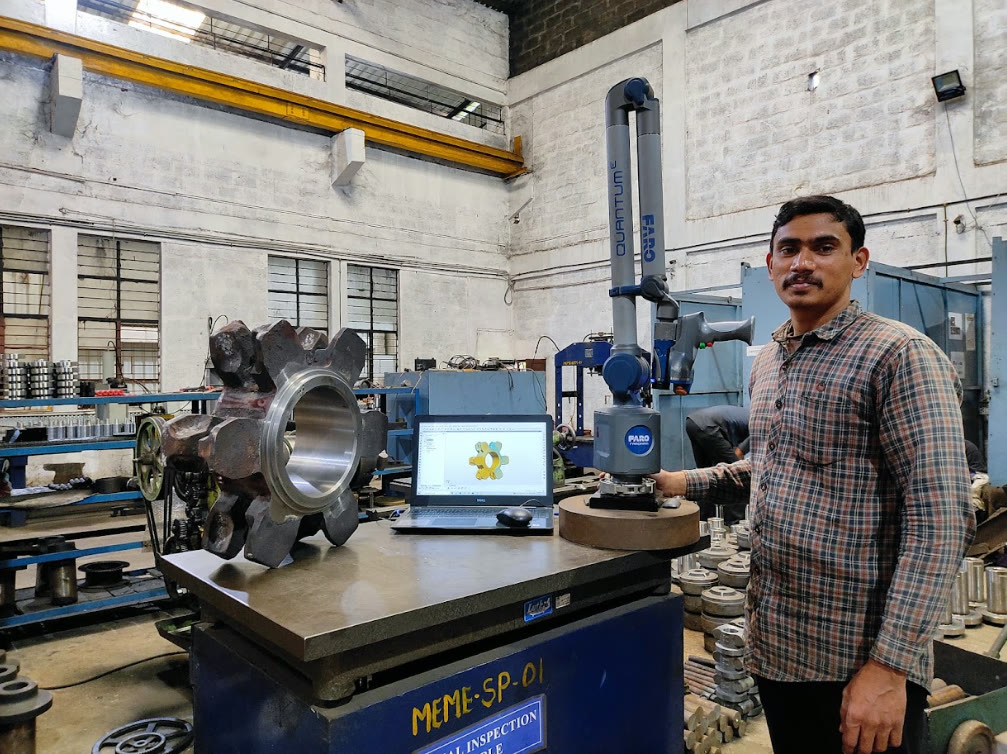
When original design files are unavailable, reverse engineering helps recreate a digital model from an existing physical component. Using 3D scanning data as a reference, we support the development of usable 3D models for engineering analysis, mould development, manufacturing, and component customization. Our approach helps transform existing parts into digital design references for further engineering and product-development work.
Our process
From Physical Part to 3D Model
Illustrative workflow — actual outputs depend on the component and project requirements.
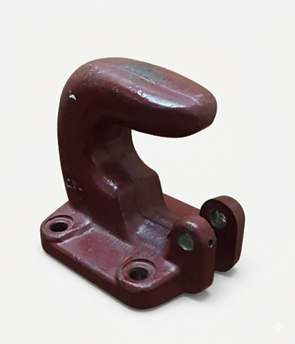
Physical Component
The original part as received for reverse engineering.
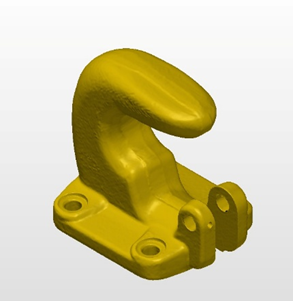
Scanned Data
High-accuracy 3D scan capturing the complete geometry.
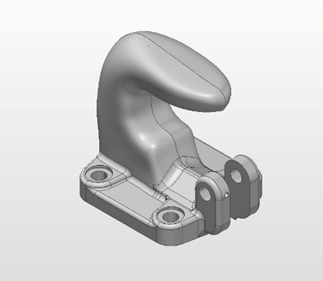
Recreated 3D Model
Clean, editable CAD model rebuilt from the scanned data.
Our Capabilities
Physical Component Assessment
Examine the existing component and understand its geometry, features, and intended application before beginning the modelling process.
3D Geometry Capture
Use suitable scanning data or other available dimensional references to capture the component’s physical geometry.
CAD Model Recreation
Develop a digital 3D model using the available scan data, measurements, and engineering references.
Design Reconstruction
Reconstruct relevant component features and geometry to create a usable digital design reference.
Manufacturing and Customization Support
Support downstream engineering activities such as mould development, manufacturing preparation, component modification, and customization.
How It Works
Assess the Component
Understand the physical component, its geometry, its intended function, and the available design references.
Capture Geometry
Collect suitable 3D scan data or dimensional measurements to establish a reference for the existing component.
Reconstruct the Model
Use the captured geometry and engineering judgement to develop a digital 3D model of the component.
Prepare the Digital Design
Review the recreated model for the intended application and prepare the digital output for relevant engineering or manufacturing workflows.
Applications Across Industries
Why Choose Sevak Engineers?
Component-Based Approach
Develop digital design references from existing physical components when original design files are unavailable.
Scan-Referenced Modelling
Use available 3D scanning data and dimensional references to support geometry reconstruction.
Engineering-Focused Outputs
Create digital models intended to support relevant engineering, design, and manufacturing workflows.
Industrial Applications
Support applications involving mechanical parts, castings, tooling, moulds, and legacy components.
Application-Specific Modelling
Adapt the modelling approach to the component’s geometry and intended downstream use.
Need a Digital Model of an Existing Component?
Talk to Sevak Engineers about your component, available measurements, and reverse engineering requirements.
Ask about this service